You Won’t Believe What I Found in Lille – A Traveler’s Hidden Playbook
Lille often flies under the radar, but this vibrant French city surprised me at every turn. From secret markets to riverside escapes, it’s packed with authentic experiences most tourists miss. I went not just to see, but to feel the rhythm of real life here. What I discovered wasn’t just charm—it was a fresh way to travel deeper, one local interaction at a time. This isn’t a city that performs for cameras; it lives for itself, and that’s exactly what makes it so magnetic. In a world where travel can feel increasingly staged, Lille offers something rare: sincerity, warmth, and the quiet thrill of stumbling upon beauty that wasn’t waiting to be found.
First Impressions: Why Lille Doesn’t Play by the Rules
Arriving in Lille by train from Paris, the shift in atmosphere is subtle but unmistakable. The grand boulevards of the capital give way to red-brick facades, gabled rooftops, and a northern light that feels softer, more forgiving. There’s a sense of being somewhere both French and not quite—where baguettes are sold beside Flemish waffles, and café chatter blends French with accents that hint at Belgium just a short distance away. This borderland identity defines Lille. It doesn’t conform to the Parisian ideal of French elegance; instead, it thrives on its hybrid energy, a city that’s as comfortable with industrial grit as it is with ornate 17th-century squares.
Most travelers expect France to unfold in a certain rhythm—elegant, deliberate, steeped in tradition. Lille respects tradition, yes, but it wears it lightly. The city pulses with youth, fueled by one of Europe’s largest university populations. Students spill out of lecture halls into cobbled alleys, filling brasseries and bookshops with a liveliness that feels organic, not curated. Unlike more tourist-saturated cities, where authenticity is often preserved behind glass, Lille’s soul is in motion—visible in the way locals argue over chess in the park, queue for steaming mussels at lunch, or sip beer on sun-dappled terraces without posing for anyone’s lens.
Its location, just 35 kilometers from the Belgian border, adds another layer to its character. Historically contested and culturally fluid, Lille has absorbed influences from both sides of the frontier. This is evident in the architecture—Flemish Renaissance buildings stand shoulder to shoulder with French neoclassical facades—and in the cuisine, where rich, beer-based stews sit alongside delicate pastry traditions. The city doesn’t apologize for its contradictions. It embraces them, offering visitors a version of France that is warmer, more approachable, and refreshingly unpolished.
The Heartbeat of the City: Exploring Vieux Lille Beyond the Postcard
Vieux Lille, the historic core, is where the city’s personality comes into sharpest focus. But to experience it fully, one must resist the temptation to treat it like a museum exhibit. This is not a district to be photographed and checked off a list. It’s meant to be wandered, slowly, with attention to the small things: the scent of beeswax rising from a centuries-old cobbler’s shop, the sound of a piano drifting from an open window, the way sunlight catches the patina on a wrought-iron balcony. The streets here are narrow and winding, paved with uneven cobblestones that slow the pace and invite mindfulness.
Independent boutiques line the Rue de la Monnaie and Rue Esquermoise, each with its own story. You’ll find a perfumer who crafts scents inspired by northern gardens, a tailor who still measures by hand, and a bookstore specializing in rare regional histories. These aren’t souvenir shops for tourists; they’re livelihoods sustained by locals who value craftsmanship and continuity. Equally rewarding are the hidden courtyards tucked behind unassuming doors—quiet oases where ivy climbs stone walls and potted geraniums bloom in summer. Many are accessible to the public, revealed only to those willing to step off the main thoroughfares.
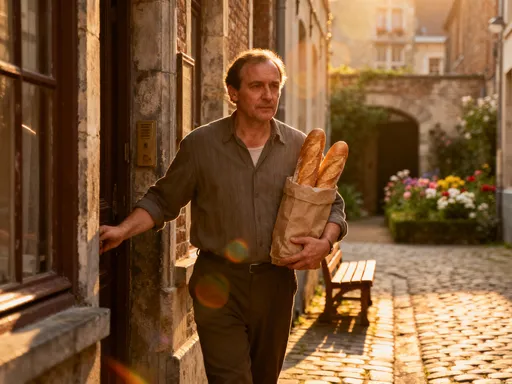
One of the most memorable moments of my visit came not from any guidebook highlight, but from a wrong turn. Lost between Rue Basse and Rue du Porte de Gand, I stumbled upon a tiny bakery where an elderly woman handed me a still-warm flamiche—a savory leek tart unique to the region. She didn’t speak much English, and I fumbled my French, but we smiled, shared a moment, and I walked away with more than just food. That’s the magic of Vieux Lille: it rewards curiosity, not efficiency. The best discoveries aren’t found on maps—they’re uncovered through presence, patience, and a willingness to get a little lost.
Market Days: Where Locals Live and Eat
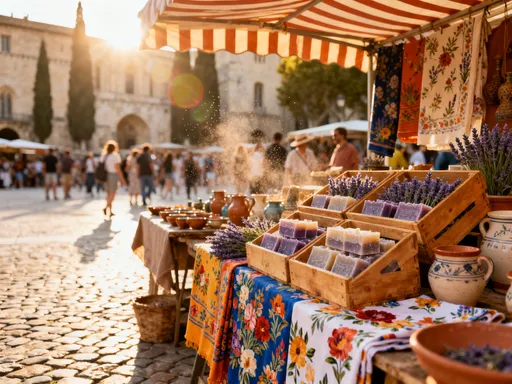
No experience in Lille is more alive, more revealing of daily life, than the Wazemmes Market. Held every morning except Mondays, this sprawling open-air market is the largest in northern France and the soul of the city’s culinary culture. It stretches across Place du Marché and spills into surrounding streets, a kaleidoscope of color, scent, and sound. Stalls overflow with pyramids of plums, bundles of rainbow chard, wheels of pungent cheese, and baskets of mussels still glistening with seawater. But Wazemmes is more than a place to shop—it’s where communities gather, where generations meet, and where the rhythm of Lille beats loudest.
The market’s diversity reflects the city’s multicultural fabric. North African vendors sell fragrant tagines and golden mloukhiya, while Portuguese stalls display salted cod and custard tarts. Vietnamese families offer fresh rice noodles and lemongrass tea, and local farmers proudly present their organic honey and free-range poultry. It’s a true crossroads, where a single block can take your palate across continents. The air hums with bargaining, laughter, and the sizzle of grills at food stands serving gauffres (waffles), méchouis (slow-roasted lamb), and frites served in paper cones with a choice of twenty sauces.
For visitors, the key to enjoying Wazemmes is respect and openness. Arriving early, between 8 and 10 a.m., ensures the best selection and a less crowded experience. Smiling, using basic French phrases like bonjour and s’il vous plaît, and showing genuine interest in what’s being sold goes a long way. Vendors appreciate the effort, even if your pronunciation is imperfect. Don’t hesitate to ask what something is or how it’s prepared—many are happy to explain, especially if you’re willing to try a sample. And when in doubt, follow the locals: if a stall has a line, it’s usually worth joining.
One of the market’s hidden joys is the sense of participation it fosters. You’re not just observing a culture—you’re engaging with it. Buying a loaf of sourdough from a fourth-generation baker, tasting a spoonful of homemade chutney, or learning the name of a regional herb from a vendor—these small exchanges accumulate into a deeper understanding of Lille. Food, here, is not just sustenance; it’s a language of belonging.
Offbeat Adventures: Unusual Activities Most Guides Skip
While many tourists stick to museums and historic squares, Lille offers a range of unconventional experiences that reveal a different side of the city. One of the most surprising is urban kayaking on the Deûle River. Just a short bike ride from the center, the river winds through quiet green corridors, offering a peaceful perspective often missed by those on foot. Local outfitters provide guided tours and equipment, making it accessible even for beginners. Paddling beneath stone bridges and past reed-lined banks, you’ll see herons take flight and spot hidden gardens tucked behind old mill houses. It’s a reminder that cities can harbor wilderness, even in their hearts.
Another overlooked gem is the street art scene in the Fives neighborhood. Once an industrial zone, Fives has transformed into a canvas for local and international artists. Murals cover warehouse walls, depicting everything from surreal portraits to social commentary. Self-guided walking tours are easy to follow using online maps, or you can join a local collective’s weekend tour to learn about the artists and the stories behind their work. The art here isn’t decorative—it’s a dialogue, a way for the community to reclaim space and express identity. For families, it’s an engaging way to explore, and for solo travelers, a chance to see how creativity thrives outside traditional institutions.
Equally unique is the opportunity to tour one of Lille’s historic breweries. While Belgium may be more famous for its beer, northern France has a proud brewing tradition, and several small producers still operate in the region. Some offer behind-the-scenes visits where you can see the fermentation process, learn about local ingredients like regional hops and spring water, and, of course, sample the results. These tours are intimate—often limited to small groups—and led by passionate brewers who treat their craft as both science and art. It’s a far cry from the impersonal factory tours of mass-produced brands, offering instead a genuine connection to place and process.
What makes these activities so memorable is not just their novelty, but their ability to create meaningful engagement. Unlike passive sightseeing, they invite participation, curiosity, and a slower pace. They also tend to be less crowded, allowing for more personal interactions and reflective moments. For travelers seeking depth over checklist tourism, these offbeat options provide a richer, more lasting impression of Lille.
Culture That Moves: Museums, Music, and Momentary Magic
Lille’s cultural offerings go far beyond static displays. The Palais des Beaux-Arts, one of France’s finest art museums, houses an impressive collection ranging from ancient sculptures to 20th-century masterpieces. But what sets it apart is how the city integrates art into everyday life. Temporary installations appear in metro stations, sculptures pop up in parks, and open-air concerts transform plazas into impromptu performance spaces. Culture here isn’t confined to institutions—it’s part of the city’s breath.
One of the most vibrant expressions of this is the annual Braderie de Lille, Europe’s largest flea market, which draws millions each September. Streets are lined with thousands of stalls selling everything from vintage jewelry to antique furniture. But it’s more than a shopping event—it’s a celebration of reuse, memory, and community. Families set up tables, friends gather for picnics, and the air fills with the scent of mussels, the city’s unofficial dish, cooked in giant pots by local restaurants. The event captures Lille’s spirit: lively, inclusive, and rooted in tradition without being bound by it.
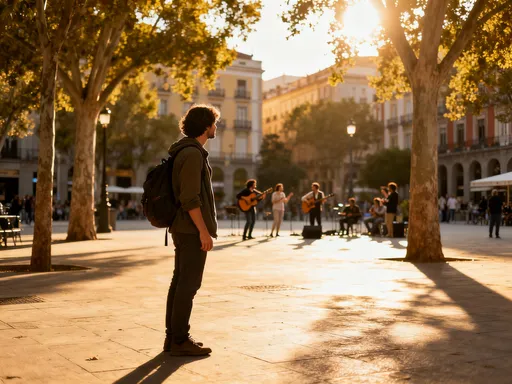
Music, too, is woven into the city’s fabric. From jazz ensembles playing in hidden courtyards to DJs spinning in repurposed factories, live performances are frequent and often free. The city supports a thriving independent music scene, with small venues like Le Splendid and La Route du Rock hosting emerging artists. Even outside festivals, you’re likely to stumble upon a pop-up concert in a bookstore or a string quartet rehearsing in a church. These moments of unexpected beauty—what some call “urban serendipity”—are what make Lille feel alive.
For travelers, timing a visit around cultural events can elevate the experience significantly. The Lille Piano Festival in spring, the Electronic Festival in autumn, and various neighborhood-led art walks offer immersive opportunities to connect with the city’s creative pulse. Even if you don’t plan around a specific event, simply staying alert to local flyers, social media pages, or café bulletin boards can lead to unforgettable encounters. The message is clear: in Lille, culture isn’t something you consume—it’s something you step into.
Getting Around Like a Local: Transport That Connects, Not Confuses
One of Lille’s greatest strengths is its accessibility. The city is compact enough to explore on foot, yet well-connected by an efficient public transit system. The metro, recognizable by its driverless automated trains, is clean, frequent, and easy to navigate. Lines 1 and 2 form a loop that connects major districts, train stations, and shopping areas, making it simple to reach destinations without stress. Stations are clearly marked in French and English, and real-time displays help travelers plan their routes with confidence.
For those who prefer to move at ground level, Lille’s bike-sharing program, V’Lille, offers a sustainable and scenic alternative. With over 300 stations across the city, renting a bike is straightforward—just register online or at a kiosk with a credit card. Dedicated bike lanes make riding safe and enjoyable, whether you’re cycling along the Deûle River or through the leafy Parc Jean-Baptiste Lebas. Many visitors find that biking not only saves time but also reveals hidden corners and quiet streets that foot traffic might miss.
Walking, however, remains the most rewarding way to experience Lille. The city center is largely pedestrianized, and the flat terrain makes strolling comfortable for all ages. A leisurely walk from Gare Lille Flandres to the Place du Général de Gaulle, passing through the covered passages of Rue Neuve, offers a microcosm of Lille’s charm: historic architecture, bustling cafés, and the hum of daily life. The key is to allow time—rushing defeats the purpose. Lille rewards those who move slowly, who pause to watch a street performer, linger over coffee, or follow a scent of baking bread down an alley.
The ease of getting around enhances the overall travel experience by reducing friction. Without the anxiety of missed connections or confusing routes, visitors can focus on immersion rather than navigation. It also encourages spontaneity—knowing that you can easily hop on a metro or grab a bike makes detours feel safe, not stressful. In a city that values connection, its transport system reflects that ethos: it’s not just about getting from A to B, but about making the journey part of the discovery.
Why Lille Changes How You Travel
Leaving Lille, I realized something subtle but profound had shifted in the way I think about travel. It wasn’t just the sights or the food that stayed with me—it was the pace, the permission to wander without purpose, the repeated moments of human connection in markets, streets, and quiet parks. Lille doesn’t demand attention; it invites presence. And in doing so, it reshapes expectations. No longer is travel about collecting landmarks or capturing the perfect photo. It becomes about tuning into the rhythm of a place, about listening more than looking, about valuing the unplanned over the prepackaged.
This transformation isn’t unique to Lille, but the city exemplifies it perfectly. It’s a destination that doesn’t rely on grandeur to impress. Instead, it wins you over with authenticity, warmth, and a quiet confidence in its own identity. It reminds us that the best travel experiences often happen off the beaten path, in the spaces between guidebook entries, in the grace of a shared smile with a stranger, or the taste of a dish you can’t pronounce but will never forget.
Choosing a place like Lille is a conscious decision to travel differently. It’s a rejection of performance and a return to presence. It’s about seeking destinations that don’t just show you their highlights, but invite you into their daily life. And once you’ve experienced that, it’s hard to go back to simply passing through. You begin to look for cities that reward curiosity, that value connection, that let you feel, however briefly, like you belong.
So the next time you plan a trip, consider not just where you want to go, but how you want to travel. Let Lille be more than a destination—let it be a mindset. Slow down. Look closely. Say hello. You might be surprised by what you find, not just in the streets of a northern French city, but within yourself. Because sometimes, the most unforgettable journeys aren’t measured in miles, but in moments of quiet wonder, in the simple joy of being exactly where you are.