You Won’t Believe What I Found in Lahore’s Beating Heart
Lahore isn’t just about ancient forts and food stalls—its real pulse thrives in the buzzing commercial districts most travelers never see. I went off the usual path and discovered a city reinventing itself, where tradition fuels innovation. From glass-fronted business hubs to hidden market lanes humming with energy, Lahore’s economic soul is alive and unexpected. This isn’t just shopping or sightseeing—it’s witnessing a cultural shift, one deal, one conversation, one street at a time. Let me take you where the map ends and the real story begins.
The First Glimpse: Stepping Into Lahore’s Economic Pulse
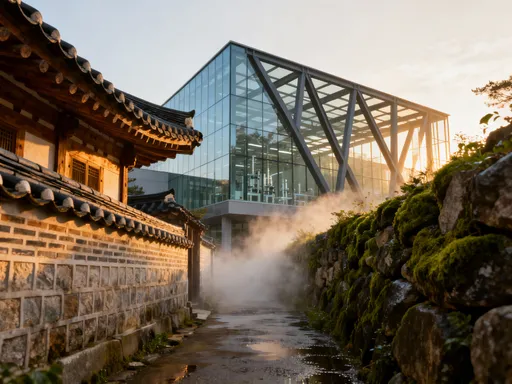
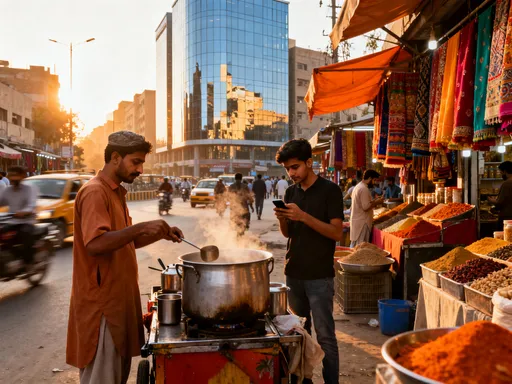
Arriving in Gulberg during weekday morning rush, one is immediately immersed in a rhythm unlike any historic postcard of Lahore. The scent of diesel blends with freshly baked naan from sidewalk ovens, while motorbikes weave through traffic with practiced ease. Towering glass buildings bearing the logos of telecom giants and banking institutions rise beside bustling roadside kiosks selling SIM cards and stationery. This is not a city caught between past and future—it is actively weaving both into its daily economy. The juxtaposition is not accidental but intentional, a reflection of how Lahore’s commercial zones have evolved into living ecosystems where centuries-old trade instincts meet 21st-century enterprise.
Gulberg and Johar Town, two of Lahore’s most prominent commercial centers, serve as gateways to understanding the city’s modern economic identity. Once primarily residential, these neighborhoods now pulse with professional energy. Office workers in crisp shirts stream into high-rises, while delivery riders on scooters dart between lanes, balancing steaming lunch packages and urgent documents. Street vendors sell phone chargers, umbrellas, and snacks with the same urgency as corporate managers closing deals upstairs. What makes these districts compelling is not just their economic output, but their role as social connectors—spaces where engineers, entrepreneurs, students, and artisans cross paths daily, exchanging ideas as freely as currency.
The visual language of these zones tells a story of layered growth. Traditional hand-painted shop signs in Urdu sit just beneath digital billboards advertising fintech startups and real estate developments. A tailor’s stall may occupy the ground floor of a building housing a digital marketing agency. This coexistence isn’t chaotic—it’s symbiotic. The city’s historic mercantile spirit, honed over generations in bazaars like Shah Alami, finds new expression in modern storefronts and e-commerce platforms. By stepping into these districts, one witnesses Lahore not as a relic of Mughal grandeur, but as a dynamic urban engine constantly redefining what commerce means in a South Asian metropolis.
Beyond the Bazaar: How Lahore’s Markets Are Evolving
Markets have always been the heartbeat of Lahore, but today’s bazaars are no longer just places to buy goods—they are evolving into cultural and entrepreneurial hubs. Liberty Market, once known primarily for its boutiques and tailoring shops, now buzzes with a new kind of energy. Young designers display their latest collections not just on mannequins, but on Instagram stories updated hourly. Pop-up stalls feature handmade jewelry brands that began as home-based businesses and now ship nationwide. The shift is subtle but profound: retail is no longer just transactional, but experiential, driven by personal branding and digital visibility.
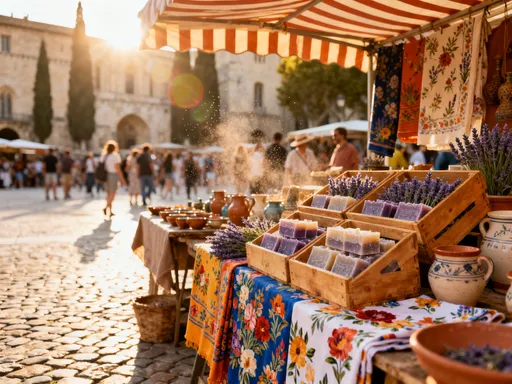
Anarkali Bazaar, one of the oldest market districts in the city, exemplifies this transformation. Narrow lanes packed with spice vendors, bookstalls, and bridal outfitters now host a growing number of small cafés and co-working nooks. Here, a grandmother bargaining for embroidered fabric might pass a young woman filming a TikTok review of a local dessert shop. The foot traffic remains intense, but the nature of engagement is changing. Shop owners increasingly accept digital payments, and many display QR codes alongside price tags. Pricing strategies have adapted too—bundled offers, loyalty discounts, and flash sales mirror trends seen in online marketplaces, now brought to life on cobbled streets.
Youth are at the forefront of this evolution. Many university students run side businesses from their homes, selling curated fashion items, skincare products, or customized stationery through social media. These micro-entrepreneurs often use the bazaars as physical touchpoints—places to meet clients, host mini-launches, or gather inspiration. A growing number of delivery-driven food startups, for example, began as home kitchens serving a few neighborhood orders and now employ riders to serve across multiple districts. This blend of tradition and innovation creates a consumer culture that values both authenticity and convenience, where a hand-stitched shalwar kameez can be ordered online and delivered the same day.
The bazaar is no longer just a marketplace—it is a laboratory for grassroots innovation. Its survival lies not in resisting change, but in absorbing it, much like Lahore itself. These spaces remain accessible, affordable, and deeply embedded in community life, offering a low barrier to entry for new entrepreneurs. In doing so, they ensure that economic opportunity isn’t limited to those with access to high-rise offices or venture capital. The real power of Lahore’s markets lies in their ability to democratize commerce, proving that transformation doesn’t always come from the top down.
The Rise of the Business Hubs: Where Deals Get Done
Along the wide avenues of Gulberg and near the tree-lined streets of DHA, a new generation of business infrastructure has taken root. Lahore Business Park and the office towers within Centaurus Mall represent a shift toward organized, professional workspaces designed to support both local enterprises and international collaboration. These hubs are not just about aesthetics—sleek glass exteriors and polished lobbies—but about functionality. Reliable electricity, high-speed internet, round-the-clock security, and conference facilities make them magnets for startups, legal firms, tech companies, and financial consultants who require consistency in an environment where such guarantees are still not universal.
Inside these buildings, the atmosphere is one of focused energy. Co-working spaces like The Garage and Workloft host freelancers, remote workers, and small teams who value flexibility and community. Monthly memberships allow young professionals to access private cabins, meeting rooms, and networking events without the burden of long-term leases. Multinational firms have also established regional offices here, drawn by Lahore’s growing talent pool and relatively lower operational costs compared to other regional capitals. The presence of these companies raises the bar for professionalism, encouraging local businesses to adopt international standards in communication, project management, and customer service.
One of the most significant impacts of these business hubs is their ability to attract investment from overseas Pakistanis. Many returnees, particularly those with experience in the Gulf or Europe, are choosing to launch ventures in Lahore, leveraging their global exposure while reconnecting with local markets. They are drawn not only by familial ties but by the city’s rising entrepreneurial momentum. Incubators and accelerators within these hubs offer mentorship, seed funding, and access to investor networks, helping transform ideas into scalable businesses. Sectors like edtech, healthtech, and renewable energy are seeing particular growth, fueled by young founders who understand both local needs and global trends.
These developments are reshaping Lahore’s economic geography. No longer is business activity confined to old city centers or scattered home offices. Instead, there are now concentrated zones of professional activity that generate spillover benefits—better infrastructure, increased demand for supporting services, and higher employment. While challenges remain, such as uneven utility access in surrounding areas, these hubs serve as anchors of stability and innovation, proving that Lahore can offer a modern business environment without losing its cultural soul.
Street-Level Hustle: The Informal Economy That Keeps Lahore Moving
While high-rises and co-working spaces capture headlines, much of Lahore’s economic life unfolds at street level, in the vast and often overlooked informal sector. This is the domain of cart vendors, mobile phone repairmen, bicycle mechanics, and home-based tailors—workers who operate without formal contracts, office spaces, or digital footprints, yet play a crucial role in the city’s daily functioning. Their presence is so normalized that it’s easy to overlook their contribution, but remove them, and Lahore’s rhythm would stutter.
Take, for example, the ubiquitous phone repair stall. Often no larger than a wooden cart with a folded umbrella for shade, these mini-workshops do more than fix cracked screens. They serve as informal tech support centers, helping users recover data, install apps, or troubleshoot connectivity issues. Some have adapted by offering Wi-Fi hotspot services or charging phones for a small fee. In office districts, these vendors become essential lifelines for delivery riders and salespeople whose livelihoods depend on a functioning device. Their expertise is gained through years of hands-on experience, not formal training, yet their success rate is remarkably high.
Similarly, chai wallahs—tea vendors—are more than just refreshment providers. Positioned near office buildings, transport stops, and market entrances, they create impromptu social hubs where deals are discussed, news is exchanged, and workers take brief mental resets. A cup of karak chai costs less than a dollar, but its value extends beyond price. It represents a moment of pause in a fast-moving day, a ritual that fosters connection. Many of these vendors know their customers by name, remember their preferred sugar level, and even extend small loans when someone forgets their wallet—acts of trust that form the invisible fabric of economic resilience.
The informal economy thrives on adaptability. When demand shifts, these workers pivot quickly. A fruit vendor might add bottled water during summer, or a cobbler might start repairing school bags during the academic year. They operate with minimal overhead, allowing them to offer lower prices and serve customers who might otherwise be priced out of formal services. This flexibility makes them indispensable, especially in times of economic uncertainty. Moreover, they often serve as entry points into the workforce for young people, women, and migrants, offering a chance to earn while learning the ropes of business.
What sustains this sector is not regulation, but relationships. Trust, reputation, and word-of-mouth recommendations matter more than branding or advertising. A phone repairman who delivers honest service will see steady foot traffic, even without a storefront. A tailor who completes orders on time will gain loyal clients through neighborhood networks. These dynamics reveal a parallel economy that operates on its own logic—one that complements rather than competes with the formal sector. In many ways, it is the informal economy that keeps Lahore’s commercial engine running, proving that innovation and resilience often emerge not from boardrooms, but from the pavement.
Connectivity & Mobility: How People Navigate the Commercial Maze
Moving through Lahore’s commercial zones is an exercise in navigation, negotiation, and patience. Traffic congestion is a well-known challenge, particularly during peak hours when main arteries like Main Boulevard and Ferozepur Road become nearly gridlocked. Yet, within this apparent chaos, a complex system of mobility has evolved—one that blends old and new, formal and informal, to keep people and goods in motion. Ride-hailing apps like Careem and Uber have become essential tools for professionals, offering a predictable alternative to unpredictable public transport. Their popularity has grown not just for comfort, but for reliability—knowing exactly when a ride will arrive and how much it will cost reduces daily stress.
Two-wheelers, particularly motorbikes and scooters, remain the backbone of last-mile connectivity. Delivery riders for food and e-commerce platforms navigate narrow lanes and heavy traffic with astonishing speed, often carrying multiple orders at once. For many young workers, owning a scooter is not a luxury but a necessity, enabling them to reach jobs across the city without depending on unreliable bus routes. The rise of electric scooters is also beginning to make an impact, with several local startups introducing battery-swapping stations and affordable leasing models. This shift could reduce both fuel costs and emissions, though widespread adoption will depend on infrastructure improvements and government incentives.
Public transportation, long fragmented and underfunded, is undergoing a transformation. The Orange Line Metro, a 27-kilometer mass transit system running from Ali Town to Dera Gujran, has changed commuting patterns for thousands. While not yet fully integrated with other transit modes, it offers a clean, air-conditioned alternative to overcrowded minibuses and rickshaws. Stations are located near major commercial and residential areas, making them convenient access points for workers and shoppers. Observations during morning and evening peaks show a diverse ridership—office employees, students, vendors, and homemakers—all benefiting from reduced travel time and greater predictability.
Emerging solutions are also addressing long-standing pain points. Designated drop-off zones outside malls and office buildings help reduce street congestion caused by idling cars. Some business districts have introduced dedicated bike lanes, encouraging eco-friendly commuting and supporting the growing fitness culture among professionals. Parking remains a challenge, especially in older markets, but digital apps that show real-time availability are beginning to appear. These incremental changes, while not revolutionary, collectively improve mobility and accessibility, making it easier for people to participate in the city’s economic life. In a city where time is money, even small gains in efficiency can have a significant impact.
Work-Life Rhythm: Cafés, Malls, and After-Hours Culture
Commerce in Lahore does not end when the office lights go out. The city’s professional culture increasingly values spaces where work and relaxation intersect. Malls like Packages Mall, MM Alam Road’s café strips, and DHA’s lifestyle centers have become extensions of the workplace—venues where meetings continue over dessert, where freelancers work from plush corners, and where teams celebrate project completions with shared meals. These spaces are more than just leisure destinations; they are part of Lahore’s evolving work-life ecosystem.
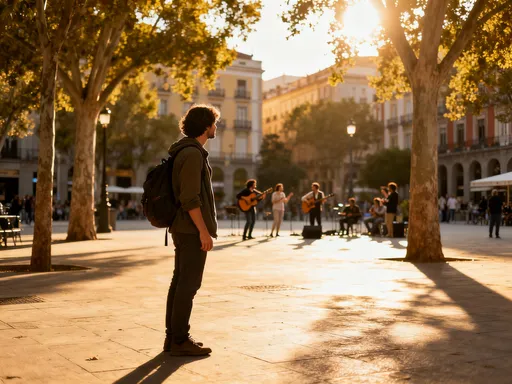
Food courts and cafés play a particularly important role. A growing number of professionals choose to hold informal meetings in relaxed settings, where the pressure of a formal conference room is replaced by the ease of conversation over karak chai or falooda. Baristas at specialty coffee shops know the regulars by name, and Wi-Fi passwords are often displayed prominently. Some cafés even offer private booths for calls or small group discussions, blurring the line between coworking space and café. This shift reflects a broader change in work culture—one that values flexibility, creativity, and human connection as much as productivity.
The after-hours scene is also expanding. Late-night dining options, drive-thrus, and 24-hour convenience stores cater to a workforce with shifting schedules, especially those in tech, media, and healthcare. Networking events, startup pitch nights, and book launches are increasingly held in mall auditoriums or open plazas, drawing diverse crowds. These gatherings foster collaboration across industries, allowing entrepreneurs to find mentors, investors, and partners in unexpected places. The social dynamics are informal but meaningful—conversations that begin casually often lead to partnerships, job offers, or new ventures.
What makes these spaces significant is their inclusivity. Unlike exclusive clubs or private lounges, most of these venues are accessible to anyone willing to purchase a drink or meal. This openness allows for organic networking, where a junior designer might strike up a conversation with a senior architect, or a student might pitch an idea to a potential investor. The demand for such environments continues to grow, pushing developers to design mixed-use spaces that integrate retail, dining, and recreation. In doing so, they support a healthier work-life balance, recognizing that rest and connection are not distractions from productivity, but essential components of it.
The Future of Commerce: Innovation, Challenges, and Hope
Lahore’s commercial landscape stands at a pivotal moment. On one hand, the city is witnessing an unprecedented wave of innovation—homegrown startups in e-commerce, digital payments, and online education are gaining traction. Youth-led ventures are leveraging social media, mobile technology, and lean business models to reach customers across Pakistan and beyond. The rise of platforms like Daraz, Foodpanda, and Bykea has not only created jobs but reshaped consumer expectations, pushing traditional businesses to adapt or risk obsolescence. This digital momentum suggests a future where Lahore could become a regional hub for tech-enabled entrepreneurship.
Yet, challenges remain significant. Energy shortages continue to disrupt operations, especially for small manufacturers and home-based businesses reliant on uninterrupted power. Regulatory hurdles, including complex tax systems and inconsistent enforcement, create uncertainty for entrepreneurs. Urban planning lags behind population growth, leading to traffic congestion, inadequate waste management, and limited green spaces. These structural issues require coordinated action from both public and private sectors to ensure sustainable development.
Despite these obstacles, Lahore’s greatest strength lies in its people. The city’s culture of resilience, improvisation, and community support enables continuous adaptation. When one door closes, another opens—often in an unexpected form. A power outage leads to the adoption of solar-powered carts. A lack of formal banking access inspires mobile wallet solutions. These grassroots innovations, born out of necessity, often prove more sustainable than top-down interventions. With increasing access to education, global connectivity, and diaspora investment, Lahore’s next chapter could be its most transformative yet.
The implications extend beyond the city itself. As one of South Asia’s largest urban centers, Lahore’s journey offers lessons in balancing tradition and modernity, informality and structure, local identity and global integration. Its ability to nurture both high-tech startups and street-level entrepreneurship suggests a model of inclusive growth—one where progress is not measured solely by GDP, but by the number of people empowered to participate in the economy.
Lahore’s Commercial Spirit – Tradition Meets Tomorrow
Lahore’s true essence is not confined to its majestic forts or centuries-old mosques, but revealed in the hum of its markets, the glow of office towers at dusk, and the quiet determination of a chai wallah serving his hundredth cup of the day. This is a city where heritage and hustle coexist, where every transaction carries a story, and where economic life is deeply intertwined with cultural identity. The commercial districts, often overlooked by tourists, are in fact the beating heart of a metropolis reinventing itself without erasing its soul.
What emerges from this journey is a portrait of resilience and reinvention. Lahore does not choose between old and new—it embraces both. The same hands that stitch traditional embroidery also manage online storefronts. The same streets that echo with the call to prayer also buzz with delivery notifications. This duality is not a contradiction, but a source of strength. It allows the city to innovate without alienating its people, to modernize without losing its character.
For those willing to look beyond the postcard images, Lahore offers a powerful reminder: commerce is not just about profit, but about people. It is about the tailor who remembers your measurements, the startup founder coding late into the night, the vendor who extends credit because he knows you’ll pay tomorrow. These human connections are the unseen foundation of the city’s economy, more vital than any policy or investment.
Lahore isn’t just surviving the pressures of urbanization and globalization—it is responding with creativity, courage, and quiet confidence. It is building something bold, not through grand declarations, but through daily acts of perseverance and hope. And as the city moves forward, one small shop, one big dream at a time, it invites the world to see commerce not as cold calculation, but as a living expression of culture, community, and the enduring human spirit.