Flavors of the Forgotten Coast: A Taste of Nouakchott’s Soul
Traveling through Nouakchott isn’t just about crossing a destination off your list—it’s about tasting resilience, tradition, and warmth in every bite. I never expected a city brushed off as "hard to love" to serve up some of the most authentic culinary moments I've ever experienced. From smoky grilled fish by the Atlantic to golden mbaquette stews simmering in open-air kitchens, Nouakchott feeds more than hunger—it feeds connection. This coastal capital of Mauritania, where the Sahara meets the sea, thrives on simplicity and soul. Its kitchens tell stories of survival, community, and quiet pride, served not on polished plates but in shared bowls under the shade of corrugated tin. Here, food is not performance—it is life, lived honestly and generously.
The Pulse of Nouakchott: Where Desert Meets Sea
Nouakchott rests where the relentless Sahara brushes against the cool, restless Atlantic, a city shaped as much by wind and tide as by history and culture. This unique geographical intersection defines not only its climate—dry, dusty, and sunbaked—but also its culinary identity. The ocean supplies an abundance of fish, while the arid interior yields hardy grains like millet and sorghum, forming the foundation of daily meals. In this environment, food is not about excess but balance: moisture from the sea, sustenance from the land, and flavor drawn from generations of adaptation.
The city’s relative isolation has preserved a cuisine that is deeply local and resistant to global trends. Supermarkets exist, but most families still rely on open-air markets and neighborhood vendors for fresh ingredients. There is little refrigeration in many homes, which means meals are prepared daily and eaten soon after cooking—a rhythm that ensures freshness and minimizes waste. This necessity has bred a culture of resourcefulness, where every ingredient is valued and nothing is discarded. Fish bones become broth, leftover grains are repurposed into porridge, and stale bread finds new life soaked in tea or stew.
Climate also influences cooking methods. Open flames and charcoal grills are common, especially in outdoor kitchens and street food stalls, where heat is less of a concern than airflow. Meals are often cooked in large communal pots, allowing families to prepare enough food for extended kin and unexpected guests—a reflection of the deep-rooted value of hospitality. The result is a cuisine that is modest in presentation but rich in meaning, where flavor emerges not from complexity but from care, time, and tradition.
What sets Nouakchott’s food apart is its honesty. There are no elaborate plating techniques or imported ingredients to mask imperfection. Instead, dishes speak plainly: a grilled fish seasoned with salt and lemon, a stew simmered for hours with onions and spices, a flatbread baked over coals. This simplicity is not a limitation—it is a statement of resilience. In a city that has grown from a small coastal village into a bustling capital with limited infrastructure, food remains a constant source of comfort and continuity.
Street Food Chronicles: Eating Like a Local
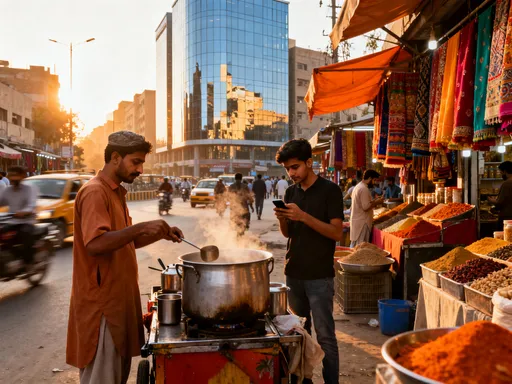
The true heartbeat of Nouakchott’s culinary scene beats strongest on its streets, where smoke curls from grills, women balance steaming pots on their heads, and the scent of cumin and grilled fish drifts through the air. Street food is not just convenient—it is essential, feeding thousands every day with affordable, flavorful meals that reflect the rhythms of local life. To eat on the street here is to participate in a daily ritual, one that connects neighbors, workers, and families through shared flavors and familiar routines.
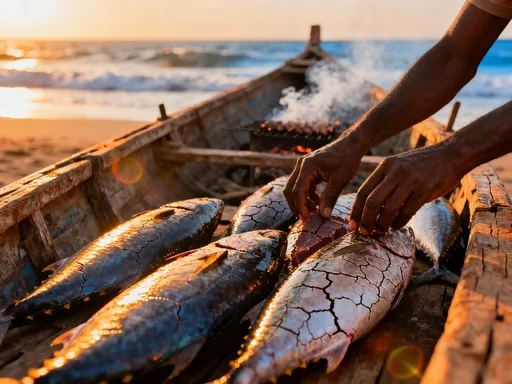
One of the most common sights is the roadside fish grill, where vendors stand beside charcoal-fired tables, turning skewers of tuna, mackerel, or red snapper over open flames. The fish is typically cleaned and filleted on-site, then brushed with oil and seasoned simply with salt, pepper, and sometimes a sprinkle of chili. The result is tender, smoky, and deeply satisfying, often served wrapped in paper or on a small plate with a wedge of lemon. These grills operate from morning until late afternoon, catering to fishermen, laborers, and families alike.
Another staple of the street food landscape is thieboudienne, widely considered Senegal’s national dish but equally beloved in Nouakchott. Here, it appears in large metal pots carried by women who set up temporary stalls near markets or bus stops. The dish combines fish, broken rice, and a rich sauce made from onions, tomatoes, and carrots, slow-cooked until the flavors meld into a savory, slightly sweet stew. It is often served with a side of fried plantains or boiled cassava, adding texture and contrast. Eating thieboudienne from a street vendor means using your right hand, as is customary, and sharing space with others at low plastic tables or on stools.
For those seeking something lighter, there are vendors selling bissap, a refreshing hibiscus tea sweetened with sugar and sometimes infused with mint or ginger. It is served cold in reused glass bottles or plastic cups, a cooling counterpoint to the heat of the day. Snacks like fried dough balls or millet pancakes are also popular, especially in the early morning or late afternoon. What unites all these offerings is their accessibility—most meals cost less than two dollars—and their authenticity. There are no menus translated into English, no Instagrammable backdrops. This is food made for locals, by locals, and eating it is one of the most direct ways to experience the city’s soul.
Seafood Straight from the Atlantic: The Fish Markets Alive with Flavor
No visit to Nouakchott is complete without a trip to the CENAC Market, the city’s central fish market and a sensory explosion of salt, sound, and movement. Located near the port, the market comes alive each morning as wooden pirogues—colorful, hand-painted fishing boats—return from overnight trips, their holds packed with the day’s catch. Men unload crates of tuna, barracuda, octopus, and red snapper directly onto the concrete dock, where buyers, mostly women, inspect the fish with practiced eyes.
Freshness is paramount, and it is easy to tell: the fish glisten, their eyes are clear, and their gills are bright red. Vendors slice fillets on worn wooden boards, their knives moving swiftly and precisely. Prices are generally low by international standards—whole fish often sell for just a few dollars—reflecting both abundance and local affordability. Bargaining is common but respectful, conducted in Hassaniya Arabic or Wolof with gestures and smiles.
What makes the CENAC Market more than just a place to buy fish is its role as a social hub. It is where news is exchanged, deals are made, and families plan their meals. Many visitors hire a vendor to grill their purchase on-site, using a small charcoal setup nearby. The fish is seasoned with little more than salt, lemon juice, and a dash of chili, allowing the natural flavor to shine. Eating grilled fish here, standing under a makeshift awning with the ocean breeze in your hair, is one of the most authentic culinary experiences in the city.
Sustainability, though rarely discussed in formal terms, is embedded in the fishing culture. Most boats are small-scale, using traditional methods that minimize environmental impact. Overfishing is a concern, but local communities depend on the sea for survival, and there is a strong cultural incentive to preserve it. Many families consume only what they need, and surplus is shared or sold locally rather than exported. This balance between necessity and conservation is not perfect, but it reflects a deep, intuitive respect for the ocean’s generosity.
The Stews That Sustain: Mbaquette and the Art of Slow Cooking
If grilled fish represents the immediacy of the coast, mbaquette embodies the patience and warmth of home. This slow-cooked stew, typically made with lamb or goat, is a centerpiece of family meals and special gatherings. The meat is browned first, then simmered for hours with onions, tomatoes, garlic, and a blend of spices that may include turmeric, cumin, and black pepper. The result is a rich, fragrant dish with tender meat and a sauce thick enough to cling to millet or rice.
Mbaquette is more than a meal—it is an expression of care. The long cooking time means it is usually prepared in the morning or the night before, allowing the flavors to deepen. It is often served in a large communal bowl, with everyone eating from the same dish using their right hand. This practice reinforces family bonds and shared identity. Guests are always welcome, and turning down an invitation to share mbaquette would be considered a slight.
The stew’s significance extends beyond nutrition. In a climate where resources are limited, serving meat is a gesture of honor and generosity. It signals that the host values the visitor enough to offer something precious. For travelers lucky enough to be invited into a home, this moment is transformative. The conversation flows, children laugh, elders share stories, and the warmth of the meal becomes a metaphor for human connection.
While recipes vary by family and region, the core elements remain the same: time, attention, and love. There are no shortcuts. The onions must caramelize slowly, the meat must break down naturally, and the spices must meld gradually. This is not fast food—it is slow nourishment, designed to feed both body and spirit. In a world that often prioritizes speed, mbaquette is a quiet reminder of the value of presence.
Bread, Tea, and Ritual: The Daily Rhythms of Nourishment
Every day in Nouakchott unfolds around rhythms of bread and tea, two elements that anchor social life as much as sustenance. Lakh, a simple flatbread baked over charcoal or in clay ovens, is a constant presence at meals. It is torn into pieces and used to scoop up stews, absorb sauces, or wrap around grilled fish. Its texture is chewy, its flavor mild but comforting, a perfect complement to bold spices and rich broths.
Even more central is attaya, the three-round mint tea ritual that defines hospitality across Mauritania. Preparing attaya is an art form, requiring patience, precision, and a willingness to linger. The host begins by rinsing green tea leaves in hot water, then boiling them with fresh mint and a generous amount of sugar. The tea is poured from a height into small glasses, creating a froth that signifies skill. This process is repeated three times, each round slightly different in strength and sweetness, symbolizing life’s stages: bitter, sweet, and balanced.
Drinking attaya is never rushed. It is a social act, often lasting over an hour, during which conversation deepens, relationships strengthen, and time seems to slow. To refuse tea is to refuse connection. For visitors, participating in this ritual is one of the most meaningful ways to engage with local culture. It requires no language fluency, only presence and respect.
Together, lakh and attaya form the backbone of daily nourishment. They are not grand or elaborate, but they are essential. They appear at breakfast, after meals, during visits, and in moments of celebration or grief. Their constancy offers a sense of stability in a city that is constantly evolving. To break bread and share tea is to be welcomed, to be seen, to belong.
Hidden Kitchens: Finding Authenticity Beyond the Surface
Nouakchott does not cater to tourists, and that is part of its charm. There are no guided food tours, few English menus, and almost no restaurants designed for foreign palates. Authenticity is not a marketing strategy—it is simply the way people eat. But for travelers, this can be intimidating. Where do you go? Who can you trust? How do you know what is safe?
The answer lies in observation. The best places to eat are often unmarked—small stalls shaded by cloth, women serving from large pots, groups of men gathered around a grill. Follow the crowds. If locals are eating there, it is likely fresh and well-prepared. Look for cleanliness: clean hands, covered food, and organized workspaces. A vendor who takes pride in their setup is more likely to take pride in their food.
Language can also be a guide. While French is spoken in official settings, daily life runs on Hassaniya Arabic and Wolof. A simple greeting like “Salam alaikum” or “Naka amul?” (How are you?) can open doors. A smile, a willingness to point at what others are eating, and a patient attitude go a long way. Many vendors appreciate the effort, even if communication is limited.
It is also important to be respectful. Ask before taking photos, avoid wasting food, and accept what is offered without complaint. If a dish is spicy, eat it slowly. If the bread is coarse, appreciate its texture. These are not flaws—they are features of a cuisine shaped by environment and tradition. By approaching meals with humility and curiosity, travelers move beyond tourism and into genuine exchange.
A Table Without Borders: Why Nouakchott’s Food Stays With You
The meals of Nouakchott do not linger in memory because they are exotic or elaborate. They stay because they are real. They are born of necessity, shaped by tradition, and served with generosity. In a world where dining is often curated for cameras and reviews, Nouakchott offers something different: food without pretense, shared without condition.
Every bite tells a story—of fishermen braving the Atlantic at dawn, of mothers stirring stews for hours, of families gathering around a single bowl. These are not performances for visitors; they are daily acts of love and survival. To eat here is to witness resilience, not as a concept, but as a lived experience.
The city’s cuisine invites slow travel, not just in pace but in mindset. It asks travelers to pause, to observe, to accept. It challenges assumptions about what is “delicious” or “refined,” replacing them with deeper values: connection, gratitude, presence. You may not find gourmet plating or imported ingredients, but you will find something rarer: honesty.
And in that honesty, there is transformation. A grilled fish on the beach, a cup of sweet mint tea, a shared plate of mbaquette—these moments dissolve borders. They remind us that across languages, cultures, and landscapes, food remains a universal language. In Nouakchott, that language is spoken softly, without fanfare, but with profound depth. To taste it is not just to eat—it is to remember what it means to be human.