You Won’t Believe These Secret Spots in Johor Bahru – The Ultimate Photo Backdrops Revealed!
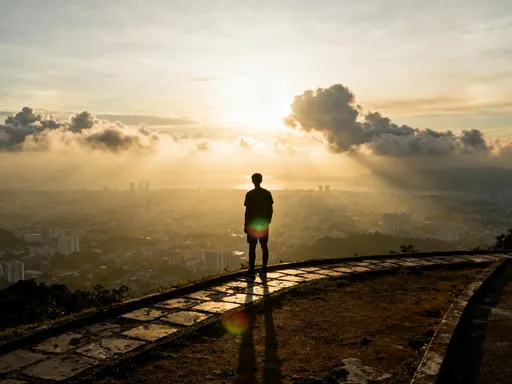
Stepping into Johor Bahru, I was ready for the usual city buzz—but what I found blew my expectations away. Beyond the malls and street food, hidden corners offer stunning visual stories just waiting to be captured. From vibrant street art alleys to skyline viewpoints few know about, this city is a rising star for travel photography. If you're chasing that perfect shot with authenticity and flair, Johor Bahru might just be your next favorite backdrop. With its seamless blend of tradition and modernity, quiet heritage lanes and electric urban energy, the city offers photographers a rare advantage: beauty without the crowds. And for those who seek meaningful, soulful imagery beyond postcard clichés, Johor Bahru delivers in every frame.
Why Johor Bahru Is Becoming a Photographer’s Hidden Gem
Johor Bahru, often overlooked as merely a gateway to Singapore, is quietly emerging as one of Southeast Asia’s most compelling destinations for travel photography. Unlike the well-trodden paths of Kuala Lumpur or Penang, where popular spots can feel over-photographed and overcrowded, Johor Bahru retains an under-the-radar charm. This relative obscurity is precisely what makes it so appealing to photographers seeking originality and authenticity. The city's visual landscape is a layered tapestry—colonial-era architecture, modern high-rises, bustling markets, and pockets of greenery—all existing in close proximity, offering endless variety within a compact urban footprint.
What truly sets Johor Bahru apart is its cultural duality. As the capital of Johor state and a major entry point between Malaysia and Singapore, it reflects both Malay traditions and cosmopolitan influences. This fusion creates a dynamic environment where old-world shophouses sit beside sleek shopping complexes, and local artisans work just steps from digital nomads in trendy cafés. For photographers, this means access to diverse subjects without the need for long travel times. A morning spent documenting traditional batik makers can seamlessly transition into an afternoon capturing reflections in the glass towers of the city center.
Accessibility further enhances its appeal. Just a short train or car ride from Singapore, Johor Bahru is within easy reach for weekend explorers and day-trippers. Yet despite this proximity, many areas remain refreshingly uncrowded, especially during weekdays or early mornings. This lack of congestion allows for unhurried composition, thoughtful framing, and the luxury of time—elements often missing in more tourist-heavy cities. Whether you're using a DSLR, mirrorless camera, or even a high-end smartphone, the city rewards patience and curiosity with visually rich moments.
Moreover, Johor Bahru’s evolving identity adds narrative depth to any photo series. It’s a city in transition—one that honors its past while embracing rapid development. This tension between preservation and progress offers compelling storytelling opportunities. Photographers can capture not just how the city looks, but how it feels: resilient, adaptive, and full of quiet pride. In a world where many urban centers begin to look the same, Johor Bahru stands out for its distinct character and unpolished authenticity.
The Art of Finding the Best Angles: Urban Landscapes That Pop
To truly appreciate Johor Bahru’s architectural contrast, one must explore its central landmarks with an eye for composition and light. Dataran Bandaraya, the city’s main civic square, offers a powerful juxtaposition of scale and symbolism. Flanked by the historic Sultan Ibrahim Building—a grand colonial-era structure with domed roofs and arched colonnades—the open plaza provides a wide foreground ideal for wide-angle shots. Arriving during golden hour, when the setting sun bathes the sandstone façade in warm amber tones, can transform an ordinary cityscape into a cinematic scene. Positioning yourself at a low angle, using the reflection of the building in rain-dampened pavement, adds depth and drama.
Equally striking is the Komtar JBCC complex, a modern counterpart to the city’s historical core. As Johor Bahru’s tallest building, its glass-clad exterior creates dynamic opportunities for abstract photography. Reflections on its mirrored surfaces capture fragments of passing clouds, pedestrians, and surrounding structures, turning the building itself into a living canvas. To make the most of these reflective qualities, visit in the late afternoon when sunlight strikes the façade at oblique angles. Using a polarizing filter can help manage glare while enhancing color saturation in the sky and surrounding environment.
For those interested in capturing human movement within urban spaces, the pedestrian zones around City Square and JB Sentral are ideal. These areas buzz with commuters, shoppers, and street vendors, offering candid moments of everyday life. A mid-range telephoto lens allows photographers to isolate subjects—such as a vendor arranging fruit or a child reaching for a balloon—without intruding on personal space. Shooting during the late afternoon, when shadows begin to stretch and directional light sculpts faces and textures, brings dimensionality to street portraits.
The real magic, however, lies in the contrast between old and new. Just a few blocks from Komtar JBCC, rows of pre-war shophouses with peeling paint and ornate iron grilles stand shoulder to shoulder with neon-lit convenience stores and digital billboards. This visual tension tells a story of continuity and change. To emphasize this contrast, try framing a narrow alley where a vintage signpost leads the eye toward a glowing skyscraper in the distance. Using a small aperture (f/8 to f/11) ensures both foreground and background remain in focus, preserving the narrative depth of the scene.
Street Art & Cultural Murals: Johor Bahru’s Open-Air Gallery
While Johor Bahru may not yet be known internationally for its street art, a growing number of neighborhoods have become vibrant canvases for local artists. Taman Mount Austin, often associated with youth culture and café life, hosts several large-scale murals that blend whimsy with cultural identity. One particularly striking piece depicts a traditional Malay woman in songket attire, her image merging with floral patterns inspired by kris hilts and textile designs. These artworks are not just decorative—they reflect a deeper pride in heritage and community, making them meaningful subjects for documentary-style photography.
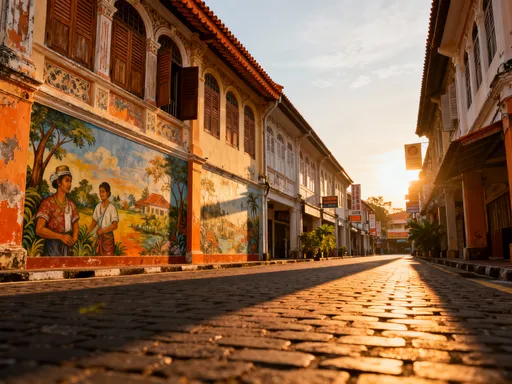
Another hotspot for mural art is Jalan Dhoby, a historic street that once served as a hub for laundry services in the early 20th century. Today, revitalization efforts have brought color back to its aging walls. Artists have painted scenes of daily life from decades past—a man pushing a bicycle with bundled clothes, children playing hopscotch on the pavement—creating a visual timeline of the neighborhood’s evolution. These murals invite photographers to engage with history in a tactile way, using composition to bridge past and present. Framing a modern passerby against a painted scene from the 1950s, for instance, creates a powerful dialogue across time.
When photographing in residential or community areas, it’s important to approach with respect and awareness. Many of these artworks are located in densely populated neighborhoods where privacy matters. Always observe first—wait for natural moments rather than staging interactions. If you wish to photograph people near the murals, a polite nod or smile goes a long way. In some cases, asking permission may be appropriate, especially when focusing on individuals for extended periods. Most residents are welcoming, particularly when they see genuine interest in their surroundings.
From a technical standpoint, street art photography benefits from even lighting. Overcast days or early mornings provide soft, diffused light that prevents harsh highlights on painted surfaces. Use a standard lens (around 35mm or 50mm) to capture both the artwork and its context—doorways, window grilles, or potted plants that frame the mural organically. For close-up details, switch to a macro lens to highlight brushstrokes, texture, and subtle symbolism embedded in the design. These small elements often tell the most intimate stories.
Green Escapes with Picture-Perfect Views: Parks and Waterfronts
Amid the urban rhythm of Johor Bahru, several green spaces offer serene retreats perfect for nature-infused photography. Taman Wetlands Johor, located in the city’s southern district, is a well-maintained park built around a series of interconnected lakes and mangrove zones. Elevated boardwalks wind through the wetlands, providing unobstructed views of waterbirds, dragonflies, and aquatic plants. At sunrise, mist rises gently from the water’s surface, creating a dreamlike atmosphere ideal for long-exposure shots. A tripod is essential here, allowing for shutter speeds of several seconds to smooth ripples into glassy reflections.
Bird photography thrives in this environment, particularly during the migratory season when herons, kingfishers, and egrets visit the area. A telephoto lens (200mm or longer) enables photographers to capture these creatures without disturbing their natural behavior. Patience is key—setting up in a shaded observation point and waiting quietly often yields the most authentic moments. The early morning light, filtering through the trees at a low angle, adds warmth and dimension to feathers and foliage alike.
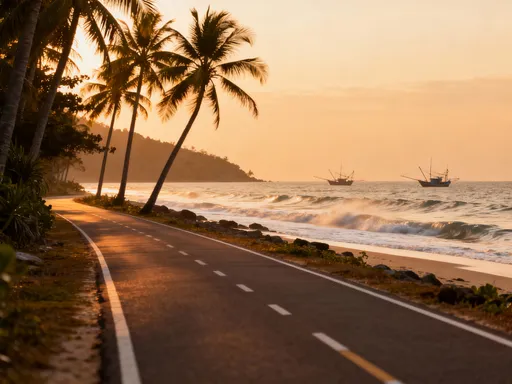
Another gem is Tebrau Coastal Park, a linear waterfront park stretching along the Tebrau Strait. This space combines recreational facilities with ecological preservation, making it a favorite among locals for jogging, cycling, and family outings. For photographers, the park offers wide-open vistas perfect for sunset compositions. The silhouette of palm trees against a fiery orange sky, or the reflection of passing boats in tidal pools, creates evocative imagery. Wide-angle lenses (16–35mm) are ideal for capturing the expanse of water and sky, while a neutral density filter helps extend exposure time for silky water effects.
What makes these parks especially valuable is their accessibility. Both are well-connected by public transport and equipped with rest areas, restrooms, and shaded seating—important considerations for photographers spending hours on location. They also remain relatively uncrowded compared to similar spaces in larger cities, allowing for peaceful, uninterrupted shooting. Whether focusing on macro details like dew on spiderwebs or sweeping panoramas of the horizon, these green oases prove that Johor Bahru’s beauty extends far beyond its streets and buildings.
Heritage Corners: Old-World Charm in Modern Johor
For those drawn to timeless architecture and nostalgic ambiance, Jalan Tan Hiok Nee stands as one of Johor Bahru’s best-preserved heritage streets. Lined with Peranakan-style shophouses dating back to the late 19th and early 20th centuries, this quiet lane feels like a portal to another era. Brightly colored facades, intricately carved wooden shutters, and cast-iron railings tell stories of a multicultural past shaped by Chinese, Malay, and European influences. Each building bears unique details—ceramic tiles with floral motifs, ornamental plasterwork above doorways, and hand-painted signage in multiple languages—that reward close observation and detailed photography.
Light plays a crucial role in bringing these textures to life. Harsh midday sun can wash out colors and create deep, unflattering shadows. Instead, early morning light—soft, directional, and golden—grazes the surfaces of walls and woodwork, emphasizing depth and materiality. Arriving between 7:00 and 8:30 a.m. also means fewer pedestrians, allowing for cleaner compositions. A polarizing filter can help reduce reflections on glossy paint or wet surfaces after overnight rain, while enhancing the vibrancy of pastel-colored walls.
To capture the full character of the street, vary your perspective. Shoot from ground level to emphasize the height of the buildings, or use a tilt-shift lens to correct converging lines in vertical compositions. Wide-angle shots that include entire façades can showcase architectural patterns, while close-ups of weathered door handles, cracked tiles, or faded advertisements reveal the poetry of decay. These small imperfections often carry the most emotional weight, symbolizing resilience and continuity.
Respect for the neighborhood is paramount. Jalan Tan Hiok Nee is not just a tourist attraction—it’s a living community where families reside and businesses operate. Avoid blocking doorways, keep noise to a minimum, and refrain from touching or leaning on private property. Many shop owners are happy to engage in conversation, and some may even invite you to photograph their interiors, especially if they run heritage-themed cafés or craft stores. These spontaneous interactions can lead to some of the most genuine and heartfelt images of your journey.
Night Photography: Chasing Lights and City Glow
As daylight fades, Johor Bahru transforms into a luminous stage of neon signs, moving headlights, and flickering hawker lights. Night photography here offers a different kind of energy—one defined by contrast, motion, and atmosphere. One of the best vantage points is the pedestrian bridge near JB Sentral, which spans the busy thoroughfare leading to the causeway. From this elevated position, photographers can capture long exposures of light trails created by cars and buses, their red and white streaks painting dynamic lines across the frame. Using a tripod and a remote shutter release ensures sharp focus and eliminates camera shake during extended exposures.
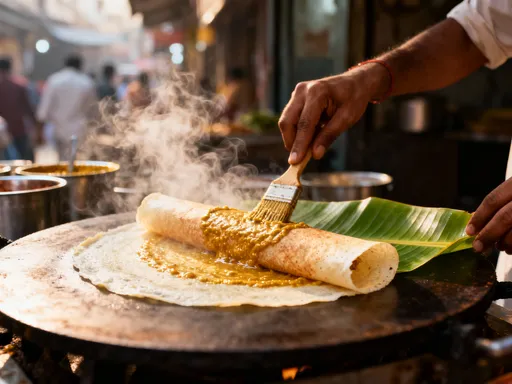
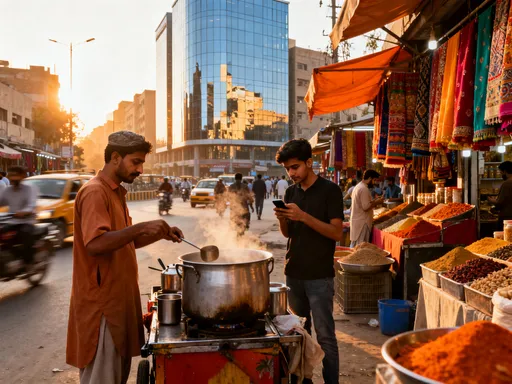
The night markets, particularly those near pasar malam zones in Taman Perling and Larkin, provide rich opportunities for candid storytelling. Strings of warm yellow bulbs illuminate rows of food stalls, casting a golden glow on chefs flipping roti canai and customers sipping sugarcane juice. These scenes are alive with texture and movement. To freeze action while maintaining ambient light, use a moderate ISO (800–1600) and a fast lens (f/2.8 or wider). Shooting in RAW format preserves detail in both shadows and highlights, allowing for greater flexibility in post-processing.
Reflections on wet pavement after a brief evening shower add another layer of visual interest. Puddles act as natural mirrors, doubling the impact of neon signs and street lamps. Position yourself low to include these reflections in the foreground, creating symmetrical compositions that draw the viewer into the scene. Be mindful of your surroundings—urban night photography often involves navigating crowded sidewalks and uneven surfaces—so wear comfortable shoes and keep your gear secure.
Safety is also a consideration. While Johor Bahru is generally safe for visitors, it’s wise to stick to well-lit, populated areas and avoid isolated alleys after dark. Traveling with a companion or letting someone know your itinerary adds an extra layer of security. Most importantly, remain aware of your equipment. Use a strap at all times, and consider a discreet bag when not actively shooting. With these precautions in place, the city’s nocturnal beauty can be explored with confidence and creativity.
Practical Tips for Stress-Free Shooting in Johor Bahru
Photographing Johor Bahru becomes even more enjoyable with a few practical preparations. Transportation within the city is convenient and affordable. Walking is ideal for exploring heritage districts and compact neighborhoods like Jalan Tan Hiok Nee and Jalan Dhoby. For longer distances, ride-hailing apps like Grab are widely used and reliable, offering air-conditioned comfort during Malaysia’s humid days. Shuttle services also connect major malls and transit hubs, making it easy to move between photo locations without stress.
To avoid crowds, plan visits on weekdays rather than weekends or public holidays. Early mornings (7:00–9:00 a.m.) and late afternoons (4:00–6:00 p.m.) are optimal for both lighting and foot traffic. If targeting night markets, arrive around 7:30 p.m., when stalls are fully set up but before peak crowds arrive. Checking local event calendars can also help you steer clear of festivals or rallies that might alter access or ambiance.
Malaysia’s tropical climate demands attention to gear care. High humidity and occasional rain mean that moisture-resistant camera bags and silica gel packs are essential. Wipe down equipment after each shoot, and avoid sudden temperature changes—such as moving from air-conditioned malls to hot streets—that can cause lens fogging. A small microfiber cloth and a collapsible umbrella serve as simple but invaluable tools.
Cultural etiquette is equally important. While Malaysians are generally welcoming, it’s courteous to ask before photographing individuals, especially in religious or private settings. Avoid pointing your camera at people during sensitive moments, such as prayers or family gatherings. When photographing children, always seek parental permission. In most cases, a friendly smile and brief explanation—“I love the colors of your stall, may I take a photo?”—are met with warmth and approval.
Drone usage in Johor Bahru is regulated by the Civil Aviation Authority of Malaysia (CAAM). Recreational flying requires prior permission, and flights are prohibited near airports, government buildings, and crowded public spaces. For most travelers, handheld photography offers more than enough creative freedom without the logistical challenges of drone operation. Instead, focus on mastering natural light, composition, and storytelling—elements that elevate any image, regardless of equipment.
Conclusion: More Than Just a Gateway – Johor Bahru as a Visual Storytelling Destination
Johor Bahru deserves to be seen not just as a transit point, but as a destination in its own right—a place where visual narratives unfold in quiet alleys, glowing skylines, and everyday moments. Its underrated status is no longer a secret among discerning photographers who value authenticity over spectacle. Here, you won’t compete for space with tour groups or wait hours for the perfect light. Instead, you’ll find room to breathe, to observe, and to create with intention.
Every corner of the city offers a new perspective—from the weathered elegance of colonial architecture to the electric pulse of night markets, from serene wetlands to bold street murals. These contrasts are not contradictions; they are the essence of Johor Bahru’s identity. As a photographer, your role is not just to document, but to interpret—to reveal the soul of a place through light, shadow, and stillness.
So the next time you plan a trip to Malaysia, consider lingering longer in Johor Bahru. Bring your camera, your curiosity, and your sense of wonder. Walk slowly. Look closely. Let the city surprise you. Because sometimes, the most unforgettable images are the ones you never expected to find. Pick up your lens, step into the frame, and start telling your own story—one authentic shot at a time.