Walking the Arctic Edge: How Tromsø’s City Trails Redefine Urban Beauty
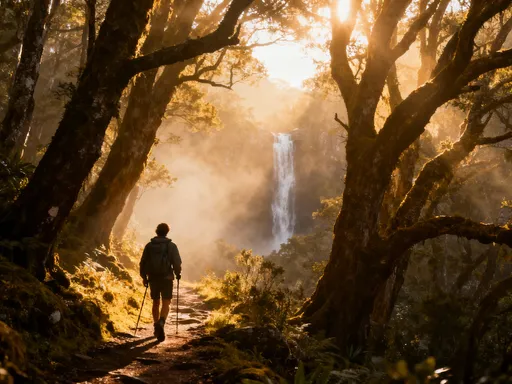
Have you ever seen mountains rise straight from the sea, dusted with snow under a pale winter sun? I walked Tromsø’s quiet trails and discovered a city not just surviving the Arctic cold—but embracing it. What surprised me most wasn’t just the northern lights dancing above the rooftops, but how every path, bridge, and hill offered a new postcard-perfect view. This is urban exploration at its most breathtaking. Tromsø, perched over 350 kilometers above the Arctic Circle, defies the expectation that cities in extreme climates must be closed off or inward-facing. Instead, it opens its arms to the wilderness, weaving trails into its very fabric. Walking here is not just recreation—it’s a way of life, a quiet rebellion against the idea that winter means hibernation.
Why Tromsø? The Allure of an Arctic Urban Escape
Tromsø is a city built on contrasts. Located on an island in Northern Norway, it is surrounded by deep fjords, rugged peaks, and open sea, yet it pulses with urban energy—home to over 70,000 residents, a renowned university, vibrant cultural festivals, and a thriving food scene. What sets it apart is its seamless integration with nature. Unlike many northern cities that retreat behind walls during winter, Tromsø invites the outdoors in. Its trails begin just blocks from downtown, leading residents and visitors alike into forests, along coastlines, and up mountain slopes with minimal transition. This accessibility is no accident; it is rooted in Norway’s deep cultural commitment to friluftsliv—the philosophy of open-air living. From childhood, Norwegians are taught that there is no such thing as bad weather, only bad clothing. This mindset fosters a year-round connection to nature, making walking not a seasonal pastime but a daily ritual.
The city’s geography enhances this unique urban-natural blend. Tromsø sits on Tromsøya Island, connected to the mainland by bridges, with surrounding islands and mountains forming a dramatic backdrop. The proximity of such raw wilderness to urban infrastructure is rare. Within 20 minutes of leaving the city center, one can stand atop a ridge overlooking the entire municipality, with the Arctic Ocean stretching beyond. This immediacy transforms the idea of what a city can offer. Tromsø proves that urban beauty need not be confined to architecture or plazas; it can include snow-covered pine trees, frozen inlets, and the soft glow of streetlights reflecting on icy paths. For travelers seeking authenticity, this balance provides a compelling alternative to conventional city tourism.
Moreover, Tromsø’s reputation as a cultural hub in the Arctic amplifies its appeal. It hosts the annual Tromsø International Film Festival and the Arctic Cathedral’s renowned choral performances, drawing visitors from around the world. Yet, even during peak events, the city retains its calm, walkable character. There are no sprawling highways or congested intersections to navigate—just narrow streets, pedestrian zones, and trailheads that beckon from the edges of neighborhoods. This intentional design reflects a broader Scandinavian principle: that quality of life is measured not by speed or scale, but by access to nature, light, and community. Tromsø embodies this ideal, making it not just a destination, but a model for how cities in cold climates can thrive.
The Magic of Walking: Why Footpaths Beat Tourist Buses
In an age of fast travel and curated itineraries, walking offers a powerful counterbalance. While tourist buses shuttle visitors between highlights, often at a distance from the true texture of a place, footpaths allow for immersion. In Tromsø, choosing to walk is choosing to experience the city in its most intimate form. The rhythm of footsteps on a snow-packed trail, the sound of wind through pine branches, the sudden appearance of a reindeer in the distance—these are moments missed when sealed inside a vehicle. Studies have shown that physical movement enhances cognitive engagement and emotional connection to environment. When people walk through a city, they are more likely to remember landmarks, absorb cultural details, and develop a sense of belonging, even if only temporary.
Walking also aligns with the Norwegian concept of “slow tourism,” which prioritizes depth over breadth. Instead of checking off attractions, slow travelers seek meaningful interactions—whether it’s a conversation with a local dog musher on a trail or pausing to photograph frost patterns on a cabin window. In Tromsø, this approach reveals layers of the city that remain invisible to those who stay on main roads. For example, a short detour from the popular Fjellheisen cable car path leads to a quiet clearing where the northern lights are often visible without light pollution. Such discoveries are not advertised in guidebooks; they emerge through presence and patience.
Another advantage of walking is the ability to adapt to personal pace and interest. A guided bus tour follows a fixed schedule, but a self-guided hike allows for spontaneity. One might linger at a scenic overlook, take a break in a mountain cabin, or follow animal tracks into the woods. This autonomy fosters a deeper sense of agency and connection. In Tromsø, where daylight hours can be extremely limited in winter, walking during the midday sun—when the light is soft and golden—can feel like a private audience with the landscape. Conversely, in summer, the midnight sun invites evening strolls with no need for flashlights, offering a surreal experience of timelessness.
Furthermore, walking is inherently sustainable. It produces no emissions, requires no fuel, and places minimal strain on infrastructure. As cities worldwide seek to reduce congestion and pollution, Tromsø’s pedestrian-friendly model offers valuable lessons. Local authorities maintain well-marked trails, install safety lighting, and provide clear signage in multiple languages, ensuring accessibility for all. This investment reflects a long-term vision: that a city’s value lies not only in its economy or size, but in the well-being of its residents and visitors. By choosing to walk, travelers participate in a culture that values mindfulness, resilience, and respect for nature.
Top Urban Trails with Panoramic Cityscapes
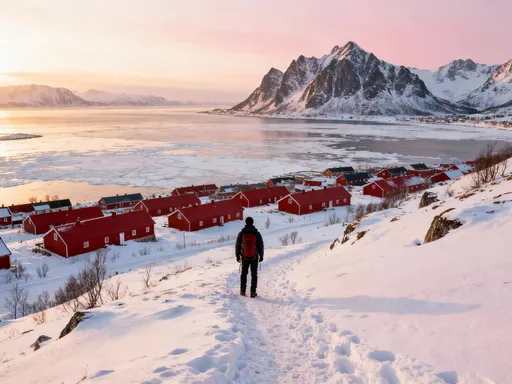
Among Tromsø’s most celebrated walking experiences is the ascent to Storsteinen Mountain via the Fjellheisen cable car and connecting footpaths. While many visitors ride the cable car to the top for the view, the most rewarding approach combines the ride with a downhill hike. From the summit station at 421 meters above sea level, a well-maintained trail winds through rocky terrain and snowfields, offering uninterrupted panoramas of the city, the surrounding islands, and the Lyngen Alps in the distance. On clear days, the contrast between the red-and-yellow wooden houses below and the white-capped mountains beyond is striking. The trail is rated moderate, with some steep sections, but it is accessible year-round with proper footwear. In winter, crampons or microspikes are recommended; in summer, hiking boots suffice.
Another premier route is the coastal path from Telegrafbukta to Sørmelen, located on the southern edge of Tromsøya Island. This trail follows the shoreline, passing through birch forests and open meadows before reaching a quiet beach area. It is particularly popular in summer for its accessibility and scenic variety. Walkers encounter views of the Tromsø Bridge, small fishing huts, and occasionally seals basking on rocks. The path is relatively flat, making it suitable for families and casual hikers. Benches along the way provide rest spots with excellent photo opportunities, especially at sunrise or sunset when the water reflects the sky in shades of pink and gold. In winter, the trail is often packed down by regular users, allowing for easy snowshoeing or winter walking.
For those seeking a more urban-natural hybrid, the walk from the city center to the Arctic Cathedral offers both cultural and visual rewards. The cathedral, with its striking modern architecture, sits on the island of Tromsøya, accessible via a pedestrian-friendly stretch of road and pathway. The route passes through residential areas with colorful houses, small parks, and views of the harbor. It is a short walk—about 30 minutes from the main square—but rich in atmosphere. Along the way, visitors may see locals walking their dogs, children playing in snow forts, or fishermen checking their lines. The cathedral itself is worth a visit, but the journey enhances the experience, grounding the monument in its living context.
Each of these trails demonstrates how Tromsø integrates natural beauty into daily urban life. They are not remote wilderness excursions but accessible, well-maintained paths that invite regular use. Signage is clear, trail conditions are monitored, and emergency shelters are available in more remote sections. This level of care ensures that even novice hikers can explore with confidence. Moreover, the city’s compact size means that multiple trails can be combined into longer routes, allowing for customized adventures. Whether one seeks a quick 30-minute walk or a full-day trek, Tromsø’s trail network accommodates a wide range of preferences and abilities.
Hidden Corners: Offbeat Routes with Local Charm
Beyond the well-trodden paths lie quieter trails that reveal Tromsø’s soul. One such route winds through the forested area near the University of Tromsø, known locally as “UiT.” This path begins behind the university’s main buildings and follows a gentle slope into a spruce and birch forest. In winter, the trees are heavy with snow, creating a hushed, almost sacred atmosphere. In summer, the understory bursts with blueberries and wildflowers. Unlike the tourist-heavy trails, this path is frequented by students, researchers, and local families. It offers a glimpse into the city’s intellectual and domestic rhythms—a professor walking with a book, a group of students laughing on a break, a parent pushing a stroller on a packed snow path.
Another lesser-known gem is the network of footpaths in the Tromsdalen neighborhood, particularly the route that connects residential streets to the base of Storsteinen. These paths are not always marked on tourist maps, but they are well-used by locals. Along the way, walkers pass homes with intricate woodwork, small gardens, and outdoor saunas. Street art appears on garage doors and utility boxes, adding splashes of color to the winter gray. Occasionally, a café with a wood-fired oven will appear, offering warm waffles or cinnamon buns—simple pleasures that ground the journey in comfort and community.
These offbeat walks matter because they showcase the city’s authenticity. They are not designed for postcards but for living. One might see laundry hanging from a balcony, a snowman with a scarf, or a cat peering from a window. These details, fleeting and unremarkable to residents, are precisely what make a place feel real to visitors. In an era of curated travel experiences, such moments are increasingly rare—and increasingly valuable. They remind us that cities are not just collections of landmarks, but ecosystems of daily life. By venturing beyond the highlights, walkers gain a deeper appreciation for how people adapt to, and thrive in, one of the world’s northernmost urban environments.
Additionally, these routes often provide the best opportunities for quiet reflection. Without crowds or guidebooks, one is free to observe, listen, and absorb. The sound of boots on frozen gravel, the call of a raven overhead, the smell of pine and woodsmoke—these sensory impressions linger longer than any photograph. They form a kind of inner map, not of places, but of feelings. For many visitors, these quiet walks become the most memorable part of their trip, not because they were dramatic, but because they were genuine.
Seasonal Shifts: What to Expect on Tromsø’s Trails Year-Round
The character of Tromsø’s trails changes dramatically with the seasons, offering distinct experiences throughout the year. From late November to mid-January, the city experiences polar night, when the sun does not rise above the horizon. Yet, this does not mean darkness. A soft twilight bathes the landscape for several hours each day, casting long shadows and creating a dreamlike atmosphere. Snow covers the ground for much of the winter, making trails ideal for snowshoeing and winter hiking. This is also the peak season for viewing the northern lights, which often appear on clear nights. Walkers are advised to dress in thermal layers, wear insulated boots, and carry headlamps, as visibility can be limited. Despite the cold, winter trails are well-used, with many locals walking to work or school on footpaths cleared of snow.
As spring arrives in March and April, daylight returns rapidly, extending from a few hours to nearly 16 by May. The snow begins to melt, revealing rocky paths and muddy sections. This transitional period requires waterproof footwear and adaptable clothing. It is also a time of renewal—birds return, rivers swell with meltwater, and the first signs of green appear. Hikers may encounter icy patches in the morning and slush in the afternoon, so caution is needed. Yet, the increasing light brings energy to the city, and outdoor activity surges. Community clean-up walks and guided nature tours become common, fostering a sense of shared stewardship.
Summer in Tromsø, from June to August, is defined by the midnight sun. The sun remains above the horizon for over two months, creating a surreal sense of timelessness. Trails are free of snow, and the landscape turns lush and green. Hiking becomes more accessible, and longer routes are feasible without concern for darkness. This is the ideal time for exploring coastal paths, berry picking, and picnicking in the hills. Insects can be present, so lightweight bug-resistant clothing is recommended. The weather is mild, with average temperatures between 10°C and 15°C, though sudden rain is common. A waterproof jacket is essential, even in summer.
Autumn, from September to November, brings cooler temperatures and shorter days. The foliage turns golden, and the first snow may fall by late October. This season offers a balance between summer accessibility and winter atmosphere. Trails are less crowded, and the changing light creates dramatic photo opportunities. It is an excellent time for reflective walks, as the city prepares for the long winter. Layered clothing remains important, as temperatures can fluctuate widely within a single day. Regardless of season, Tromsø’s trails are designed for year-round use, reflecting a culture that does not fear the cold but embraces it as part of life.
Practical Tips for the Urban Hiker
To make the most of Tromsø’s walking trails, preparation is key. Proper footwear is the most critical element. In winter, insulated, waterproof boots with good traction are essential. Brands like Lundhags and Hanwag are popular among locals for their durability in Arctic conditions. For added safety on icy paths, consider using crampons or microspikes, which can be slipped over boots. In summer, lightweight hiking shoes with ankle support are sufficient, though waterproof models are advisable due to frequent rain.
Layering is another fundamental principle. The Norwegian approach to cold-weather dressing involves three layers: a moisture-wicking base layer (such as merino wool), an insulating middle layer (fleece or down), and a wind- and waterproof outer shell. This system allows for temperature regulation as activity levels change. Avoid cotton, which retains moisture and can lead to chilling. Hats, gloves, and thermal socks are also essential, especially in winter, when heat loss from extremities is a concern.
Navigation tools are readily available. The city provides detailed trail maps at tourist centers and online. Mobile apps like Norgeskart and UT.no offer offline access to topographic maps and GPS tracking. Many trails are marked with colored poles or signs, making them easy to follow. For those unfamiliar with the terrain, starting with well-traveled routes like the Fjellheisen path or the Telegrafbukta trail is recommended.
Public transportation connects easily to trailheads. Tromsø’s bus system is reliable and covers most areas, including stops near the University and the base of Storsteinen. Some routes operate late into the night, accommodating midnight sun hikers. Safety is prioritized, with emergency call boxes located at key points and regular patrols during peak seasons. Walkers are advised to inform someone of their route and expected return time, especially when venturing into less crowded areas.
After a hike, refueling is part of the experience. The city offers numerous cafés and bakeries where one can enjoy a warm drink and a traditional Norwegian treat like skillingsboller (cinnamon rolls) or waffles with jam. Public restrooms are available at major trailheads and in the city center. Water can be refilled at fountains or taps in public buildings, though in winter, some outdoor sources may be frozen. Overall, Tromsø’s infrastructure supports responsible, enjoyable hiking for all levels of experience.
Beyond the View: How These Walks Change Your Perspective
Walking Tromsø’s trails offers more than scenic rewards—it shifts the way one sees cities, nature, and oneself. In a world dominated by speed and efficiency, the act of walking slowly through a snow-dusted landscape feels revolutionary. It forces a pause, a recalibration of attention. Instead of consuming views, one begins to inhabit them. The cold air on the face, the crunch of snow underfoot, the distant hum of the city—all become part of a deeper awareness. This mindfulness is not accidental; it is cultivated by the environment and the pace.
More than that, these walks reveal a harmony between urban design and natural forces. Tromsø does not fight its climate; it works with it. Buildings are angled to capture light, streets are cleared promptly, and trails are maintained as essential public spaces. This integration sends a powerful message: that humans can live in balance with extreme environments, not in opposition to them. For visitors from milder climates, this model challenges assumptions about what is possible. It suggests that resilience, beauty, and comfort are not mutually exclusive, even in the far north.
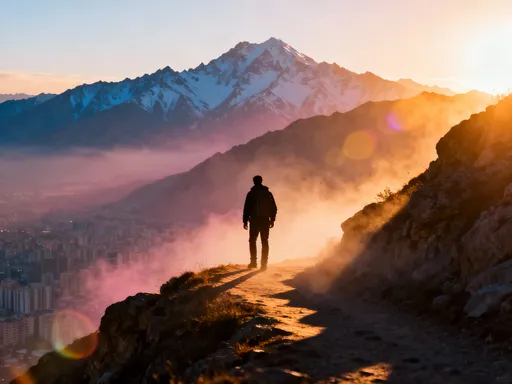
Emotionally, the experience can be transformative. Standing atop a hill at twilight, watching the northern lights ripple above a quiet city, one feels both small and connected. The vastness of the Arctic sky puts daily worries into perspective, while the warmth of a nearby cabin light reminds us of human resilience. These walks do not offer adrenaline or conquest; they offer presence. They teach that beauty is not always loud or dramatic—it can be quiet, enduring, and deeply personal.
For women, particularly those in the 30–55 age range who often juggle multiple roles, such experiences can be especially meaningful. They provide a rare opportunity for solitude, reflection, and reconnection with self. There is no agenda, no performance—just the simple act of moving through space, at one’s own pace. In this way, Tromsø’s trails are not just physical paths, but pathways to renewal. They invite travelers to return home not just with photographs, but with a quieter mind, a stronger body, and a broader sense of what a city—and a life—can be.
Tromsø isn’t just a gateway to the wild Arctic—it’s a living landscape where city and nature walk hand in hand. By choosing to explore it on foot, travelers gain more than photos; they gain presence. In a world rushing toward the next destination, sometimes the most profound journeys are the quiet walks through a snow-dusted city, where every step reveals another layer of beauty.